


Blog
Which Lubricants Last Longer
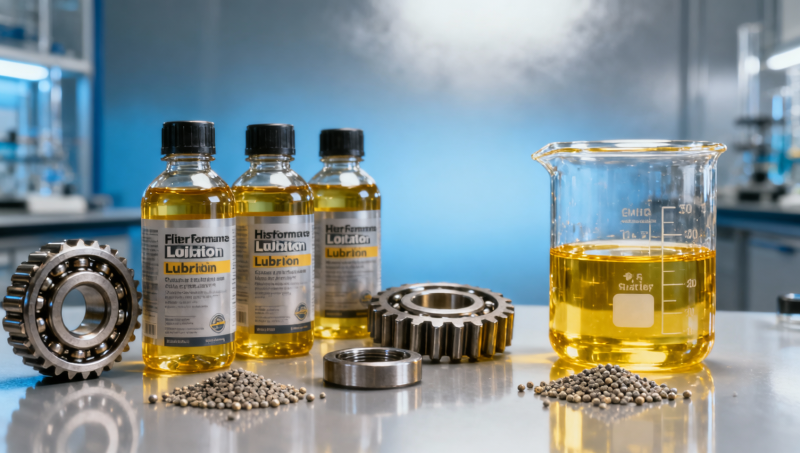
When buyers ask which lubricants last longer, the practical answer is this: the longest-lasting option is rarely defined by oil type alone. Service life depends on the operating load, temperature, contamination level, additive stability, thickener quality, and the consistency of raw materials used in production. For technical evaluators, procurement teams, and business decision-makers, the better question is not simply “mineral, synthetic, or semi-synthetic?” but “which formulation will maintain film strength, viscosity stability, and performance longest in our actual process conditions?”
In industrial purchasing, durability also connects to supplier capability. A reliable Lubricants manufacturer, stable cellulose ether production standards, and predictable input costs all affect long-term value. This is especially relevant where rheology control, suspension stability, or formulation consistency matter. In such cases, working with an experienced HYDROXYPROPYL METHYL CELLULOSE supplier can influence product uniformity, storage performance, and downstream reliability. This article explains what really determines lubricant lifespan, how buyers should compare options, and where material selection and sourcing confidence fit into the evaluation.
What Actually Makes One Lubricant Last Longer Than Another?
For most industrial users, a longer-lasting lubricant is one that keeps doing its job without early oxidation, viscosity breakdown, excessive evaporation, additive depletion, sludge formation, or loss of protective film. In practice, lubricant life is determined by five major factors:
- Base oil stability: Synthetic base oils usually outperform conventional mineral oils in heat resistance, oxidation control, and long-drain durability.
- Additive package quality: Anti-wear, antioxidant, corrosion inhibition, and anti-foam additives strongly influence useful service life.
- Operating environment: High temperature, moisture, dust, shock loading, and chemical contamination shorten lubricant life faster than many buyers expect.
- Viscosity retention: A lubricant that thins too quickly or thickens abnormally under use will fail earlier, even if the original specification looked acceptable.
- Formulation consistency: Reliable manufacturing and stable raw material sourcing reduce batch-to-batch variation and improve predictable field performance.
This is why two lubricants with similar labels may show very different lifespan in real operation. A lower-cost product may appear economical at purchase, but if it requires more frequent replacement, raises maintenance intervals, or increases wear risk, its total cost can be higher.
Which Types of Lubricants Usually Deliver the Longest Service Life?
Although application always matters, synthetic lubricants generally last longer than mineral-based alternatives in demanding industrial conditions. They are often better at resisting thermal degradation, oxidation, and viscosity loss. However, “synthetic lasts longer” is only a starting point. Buyers should assess performance by application category:
1. High-temperature systems
In compressors, industrial bearings, chain lubrication points, and enclosed gear systems exposed to heat, synthetic oils usually provide longer service intervals. They resist oxidation and deposit formation better than many conventional oils.
2. Heavy-load equipment
Where extreme pressure and anti-wear performance are critical, the additive system may matter as much as the base fluid. A well-formulated lubricant with strong film strength can outlast a generic product even if both share the same basic oil family.
3. Water-exposed or contamination-prone environments
Moisture resistance, emulsion stability, corrosion protection, and separation behavior become key durability indicators. In these settings, premature failure often comes from contamination rather than natural aging alone.
4. Long-storage and export scenarios
For distributors and international buyers, shelf stability and batch consistency also matter. Product quality should remain stable through transport, warehouse storage, and varying climate conditions.
For teams comparing products, it can be useful to review not just the lubricant itself but the broader formulation support behind it, including options such as Lubricants that fit industrial processing and performance expectations.
Why Technical Buyers Should Look Beyond Basic Performance Data
Many product datasheets highlight viscosity grade, density, and flash point. These are useful, but they do not fully predict how long a lubricant will last in service. Technical assessment should go deeper into the following questions:
- How fast does the lubricant oxidize under continuous heat?
- How well does it retain viscosity after shear and thermal stress?
- What is its resistance to sludge, varnish, and deposit formation?
- How stable is the additive package over time?
- How sensitive is the formulation to contamination, moisture, or pH fluctuation?
- How consistent are production batches from the supplier?
For business evaluators, these technical details translate directly into commercial outcomes: fewer shutdowns, lower maintenance labor, reduced waste oil disposal, lower consumption per unit of output, and more predictable equipment protection.
This is also where supplier capability becomes a hidden but important factor. Companies with large-scale manufacturing, integrated production systems, and controlled raw material quality are better positioned to deliver stable performance over time. For buyers evaluating lubricant-related formulation inputs, consistency in viscosity control and process quality can be especially relevant.
How HYDROXYPROPYL METHYL CELLULOSE High Viscosity Can Matter in Industrial Formulation Decisions
At first glance, some buyers may not connect cellulose ethers with lubricant durability discussions. But in certain industrial systems, formulation behavior, rheology stability, suspension performance, and consistency during storage or application can influence how reliably a product performs over time.
HYDROXYPROPYL METHYL CELLULOSE high viscosity is often valued where controlled thickening, water retention, and formulation stability are required. For procurement and technical teams, the relevance is not that HPMC replaces lubricant chemistry, but that it can support stable processing and consistent end-use characteristics in related industrial formulations.
Jinan Ludong Chemical Co., Ltd. operates as a large-scale global manufacturing enterprise focused on cellulose ethers, including HPMC, RDP, and HPS. With integrated production lines, intelligent manufacturing capability, and annual production capacity reaching 45,000 tons, the company offers controlled viscosity ranges from 400 to 200,000 CPS across HPMC series products. For enterprise buyers, this kind of manufacturing depth can reduce sourcing uncertainty, support specification matching, and improve confidence in long-term supply stability.
For evaluators, the practical takeaway is simple: when a product’s service life is influenced by consistency in formulation structure or rheological behavior, upstream material control matters. Stable suppliers help reduce variation, and reduced variation supports more reliable field performance.
How Commercial Buyers Should Evaluate “Longer Lasting” in Terms of Total Cost
A lubricant that lasts longer is valuable only if it improves total economic performance. Procurement teams and decision-makers should compare products using a lifecycle framework rather than unit price alone.
Key cost questions to ask
- What is the actual drain interval or relubrication interval under our operating conditions?
- How much downtime can be avoided with the longer-life option?
- Will it reduce wear-related spare part replacement?
- Does it improve energy efficiency or equipment smoothness?
- How stable is supplier pricing over time?
- What is the risk of quality variation between shipments?
In some sourcing decisions, buyers also monitor related material trends such as Polyvinyl Alcohol price, not because PVA determines lubricant life directly in every case, but because broader raw material market movements can affect budgeting, substitution decisions, and overall procurement strategy. Commercial teams should therefore combine performance testing with market awareness.
A product that costs more upfront may still be the better choice if it extends service intervals, cuts maintenance frequency, and lowers operational disruption. For enterprise decision-makers, this is often the most important definition of “lasts longer.”
What Questions Should You Ask a Lubricant or Raw Material Supplier Before Buying?
Before finalizing supplier selection, technical and commercial teams should ask for evidence that supports both performance and supply reliability. The best discussions are specific and measurable.
- Can you provide batch consistency data and quality control standards?
- What testing supports oxidation stability and service life claims?
- How does the product perform under high temperature, moisture, or heavy load?
- What is the expected shelf life and storage recommendation?
- Can viscosity or formulation parameters be adjusted to application needs?
- What production capacity and delivery assurance do you offer?
- How do you manage raw material traceability and process control?
These questions help separate promotional claims from dependable industrial value. They are also useful when reviewing suppliers of supporting materials and related formulations, including manufacturers offering Lubricants for industrial applications.
How to Make a Better Final Decision
If your team is trying to determine which lubricants last longer, the strongest answer will come from matching the lubricant to the real operating environment, then validating supplier consistency and lifecycle cost. In most demanding conditions, synthetic formulations tend to offer longer service life than conventional alternatives, but durability is ultimately shaped by base oil quality, additive performance, contamination control, and manufacturing reliability.
For technical evaluators, focus on oxidation resistance, viscosity retention, and application-specific test data. For commercial evaluators, compare total cost of ownership rather than purchase price alone. For enterprise decision-makers, place equal weight on supplier stability, capacity, and formulation consistency.
In short, the longest-lasting lubricant is the one that maintains protection, stays stable under your operating conditions, and comes from a supplier capable of delivering the same quality reliably over time. That is the standard that leads to better technical performance, lower risk, and stronger purchasing decisions.
Send Your Inquiry
We welcome your cooperation and we will develop with you.
