


Application
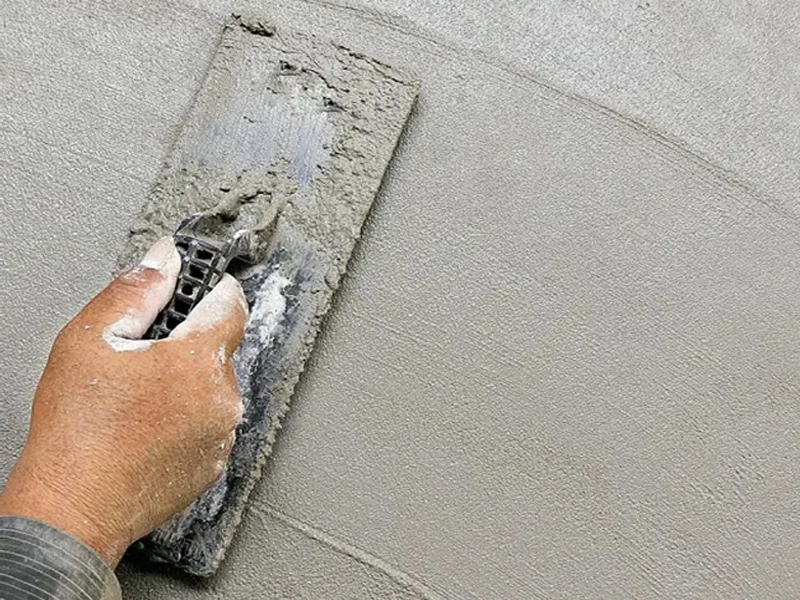
Gypsum slurry itself has poor water retention and is prone to rapid water loss under high temperatures or in well-ventilated environments, leading to cracking and decreased strength. Cellulose ethers form a moist protective film within the slurry, effectively delaying water evaporation and ensuring full hydration of the gypsum, thereby reducing the risk of cracking and peeling, and improving final strength.
Cellulose ethers significantly increase the consistency and viscosity of gypsum slurry, giving it good thixotropic properties. This makes it easier to apply and less prone to sagging or peeling, making it particularly suitable for thin-layer plastering and puttying.
Cellulose ethers improve the adhesion strength between gypsum slurry and the substrate (such as walls and gypsum board), allowing the material to adhere more firmly to the base and reducing hollow areas and peeling.
In gypsum self-leveling mortar, cellulose ethers help maintain a homogeneous slurry, preventing segregation, while providing suitable flowability for smoother application and a smoother surface.
Send Your Inquiry
We welcome your cooperation and we will develop with you.
