


Application
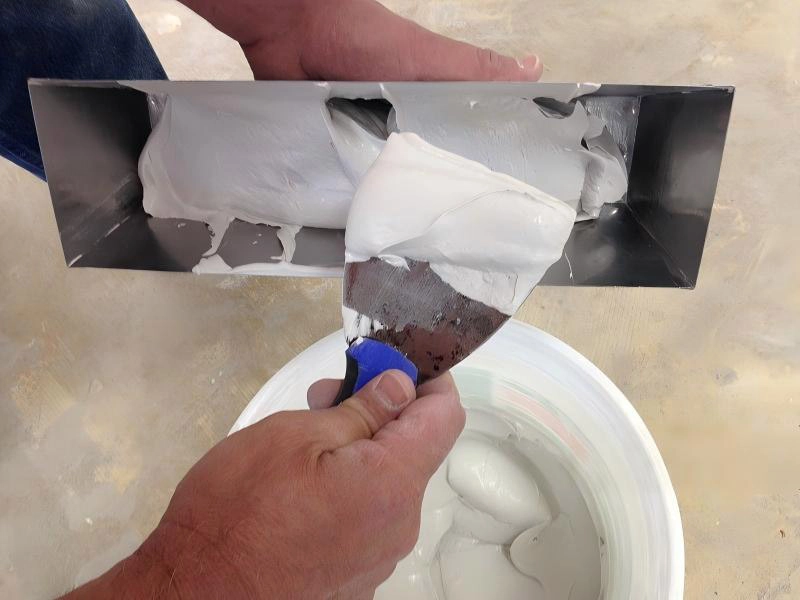
Simultaneously, cellulose forms a three-dimensional network structure in water, increasing the viscosity (consistency) of the putty slurry, preventing "sagging" during construction (especially on vertical surfaces) due to excessive thinness.
Cellulose imparts good "thixotropic properties" to the putty: when standing, the slurry has a high consistency (not easily sedimenting or separating); during construction, mixing, or application (under shear force), the consistency decreases (easy to spread); after application, the shear force disappears, and the slurry quickly recovers its consistency, ensuring a uniform putty layer thickness and reducing "stickiness" or "collapse." For putty applied by hand scraping or machine spraying, suitable cellulose can make the putty easier to apply and smooth on the wall, reducing scraper resistance and improving construction efficiency.
Valves can prevent the backflow of fluids, safeguarding the safety and stability of equipment operation.
Valves can adjust flow and pressure, leading to energy savings and improved utilization efficiency.
Send Your Inquiry
We welcome your cooperation and we will develop with you.
