


Best HPMC for Wall Tile vs Floor Tile Adhesive Applications: Key Selection Differences
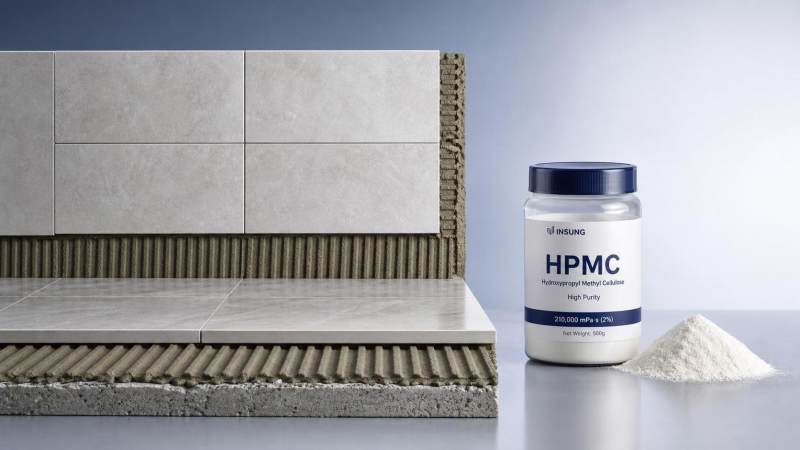
Start with the failure mode, not the product name
When teams ask for the best HPMC For Tile Adhesive, the real question is usually more specific: what do you need the adhesive to resist on site? Wall tile and floor tile jobs may use the same cement-based system, but they fail in different ways. On walls, the first concern is tile slip and sag during installation. On floors, crews worry more about workable open time, wetting under the tile, and whether the mortar holds up under load and traffic after curing.
That is why HPMC selection should be treated as an application decision, not a catalog shortcut. A grade that feels stable and easy on a vertical wall can be slow, sticky, or inefficient for floor work. A grade that spreads nicely on a floor can leave installers fighting slip on a wall. If you are managing a project, the goal is not just bond strength on paper. You are trying to control placement speed, rework, waste, callbacks, and schedule risk.
Check the wall application first: can the mix hold the tile where it is placed?
For wall tile adhesive, HPMC is doing more than water retention. It also shapes the feel of the mortar during troweling and the way the fresh bed resists downward movement once the tile is pressed in. On vertical work, that fresh-state behavior matters immediately.
- Look for sag control in actual placement conditions. The mix should hold ridges well and keep the tile from creeping after alignment. If installers must keep readjusting the same tile, the HPMC grade may be too weak in anti-slip performance for that wall format.
- Watch the trowel response. A wall adhesive should not collapse too quickly under its own weight. If ridges flatten before the tile is set, the adhesive may lose support and create uneven contact.
- Check the tile size and absorption. Heavy porcelain wall tiles push the formula harder than smaller, more absorbent ceramic tiles. The larger and denser the tile, the more demanding the HPMC choice becomes.
A common mistake is choosing a wall formula only by viscosity range on the datasheet. Viscosity matters, but field behavior is the deciding factor. Two grades with similar nominal viscosity can still differ in water retention, workability, and anti-sag response depending on substitution profile and formulation interaction.
For floor tile, prioritize coverage stability and working rhythm
Floor applications usually give you gravity on your side, but they introduce a different set of pressures. Installers need enough open time to spread, comb, place, and adjust without the surface skinning too fast. They also need a mortar that transfers well to the back of the tile and does not become overly draggy during large-area installation.
In practice, the HPMC choice for floor tile adhesive should be checked against these points:
- Open time under site temperature and airflow. A floor mix that looks acceptable in the lab can skin much faster in a hot, ventilated room or on an absorbent substrate.
- Ease of spreading over larger areas. If the mortar pulls too hard under the trowel, labor efficiency drops and consistency between applicators gets worse.
- Tile wetting and contact. The adhesive needs to deform and transfer properly when the tile is pressed in, especially with large-format porcelain.
On floors, a grade selected only for high water retention can backfire if it makes the mortar too sticky or too slow to handle. Crews often describe this as a mix that “stays wet but does not move right.” That is a formulation problem, not a labor problem.
Use a practical comparison before you lock the grade
Do not evaluate HPMC in isolation from the rest of the formula
This is where many purchasing and technical discussions go off track. HPMC performance in tile adhesive depends on the whole formulation system: cement type, fillers, sand grading, redispersible polymer powder, starch ether if used, water demand, and the target consistency of the final mix. A grade that performs well in one recipe may feel completely different in another.
For project-side decision makers, the useful question is not “Which HPMC grade is best in general?” It is “Which grade stays balanced in our formula and our installation conditions?” If your supplier offers a broad viscosity range, that helps only when the grade is tested in the actual adhesive design, not chosen by assumption.
Jinan Ludong Chemical Co., Ltd. manufactures cellulose ethers and related construction additives with a wide HPMC viscosity range. For buyers and formulators, that kind of supply range is relevant because wall and floor adhesives often need different rheological tuning. The practical value is flexibility in matching grade behavior to application demands, not the idea that one viscosity band solves every tile job.
Match the grade to tile type, not just surface orientation
Wall versus floor is the first split, but it is not the only one. The tile itself changes the selection logic.
- Large-format porcelain: usually needs better water retention and reliable transfer because the tile body absorbs very little moisture and the contact area is unforgiving.
- Small ceramic wall tile: often puts more emphasis on anti-slip and clean adjustment behavior than on extended working window.
- Textured or irregular back patterns: can change how easily the mortar wets and keys into the tile. A mix that looks fine in the bucket may still give weak contact if the fresh mortar does not deform properly.
If the project uses more than one tile format, do not approve the adhesive based on the easiest tile in the package. Test the most demanding one. That is usually the tile that exposes whether the HPMC selection is truly stable.
Run a short site-relevant checklist before approving a formulation
A useful trial does not need to be complicated, but it does need to reflect the real work sequence. For project managers, this is the fastest way to avoid arguments later between procurement, applicators, and technical teams.
- Mix the adhesive at the intended water ratio, not a hand-adjusted “nicer” version prepared for demonstration.
- Apply it on the actual substrate type or the closest practical equivalent in absorption and surface condition.
- Use the real tile size and weight from the project scope.
- Observe wall slip or floor skinning within the normal installer working window, not just in the first few minutes.
- Lift several tiles during the trial to check mortar transfer and contact pattern.
- Record what the crew says about feel. Complaints about drag, collapse, or tile movement often identify the wrong HPMC choice before lab numbers do.
One more point: if the adhesive formula includes both HPMC and RDP, review them together. Teams sometimes keep increasing cellulose ether to solve a problem that is actually related to flexibility, adhesion support, or overall formulation balance.
Know the warning signs of a mismatch early
Some problems show up immediately. Others wait until the job is already losing time. The following signs usually mean the HPMC grade is not well matched to the application:
- Wall tiles settle after alignment or require spacers mainly to fight movement.
- Floor adhesive develops a dry skin before normal tile placement is finished.
- The mortar feels overly thick in the bucket but weak after combing.
- Different crews produce noticeably different results with the same batch because the handling window is too narrow.
- Large tiles show inconsistent contact when lifted, even though the mix looked workable during spreading.
These are not minor comfort issues. They usually translate into slower output, higher material use, more rework, and a greater chance of long-term bond complaints.
Make the decision in the right order
If you need a simple rule, use this one. For wall tile adhesive, screen HPMC grades by anti-slip behavior first, then confirm workability and open time. For floor tile adhesive, screen by open time and transfer first, then confirm that the mix still has enough body and consistency for clean placement.
Do not approve a grade because it performs acceptably in a general dry-mix sense. Approve it because it matches the tile type, substrate condition, installation pace, and orientation of the actual project. That is how the best HPMC For Tile Adhesive is selected in real work: not by a generic ranking, but by choosing the grade that controls the dominant risk in the application you are actually building.
Send Your Inquiry
We welcome your cooperation and we will develop with you.
