


Choosing MHEC Grades for Dry Mix Mortar
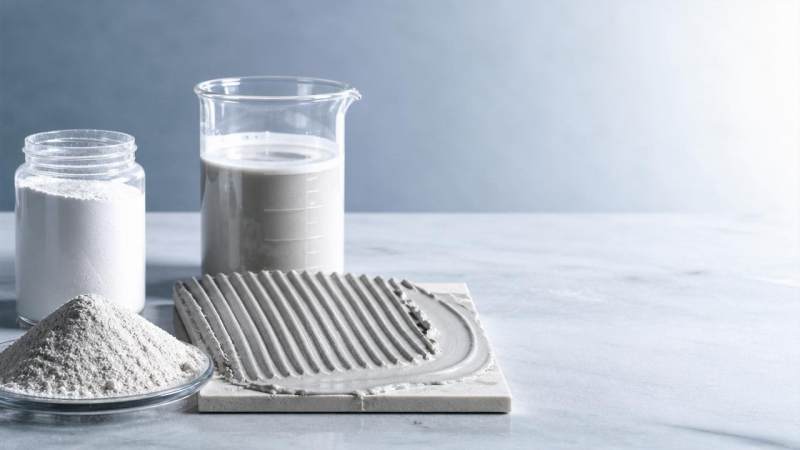
Selecting the right Methyl Hydroxyethyl Cellulose (MHEC) grade is critical for achieving stable performance in dry mix mortar systems. For technical evaluators, viscosity, water retention, workability, open time, and compatibility with cementitious materials directly influence formulation efficiency and on-site application results. This article outlines the key factors to assess when comparing MHEC grades, helping you match product specifications with mortar requirements while supporting consistent quality, improved constructability, and optimized cost-performance in modern construction chemical formulations.
Why Methyl Hydroxyethyl Cellulose (MHEC) Selection Matters in Dry Mix Mortar
From laboratory viscosity to jobsite consistency
Methyl Hydroxyethyl Cellulose (MHEC) is a non-ionic cellulose ether used to control water retention, thickening, sag resistance, and application feel in cement-based formulations.
In dry mix mortar, a small dosage change can affect trowelability, adhesion development, setting perception, and surface finish, especially under hot or windy conditions.
Technical evaluators usually compare grades by viscosity, substitution characteristics, particle behavior, moisture level, dissolution profile, and compatibility with cement, fillers, and functional additives.
- Tile adhesive requires balanced open time, slip resistance, and wetting performance on different substrates.
- Wall putty needs smooth application, high water retention, and predictable sanding after curing.
- Plaster and render formulations require pumpability, anti-sag behavior, and reduced cracking risk during drying.
Jinan Ludong Chemical Co., Ltd. supports this evaluation process through integrated cellulose ether production, trading, and formulation service capabilities for construction chemicals.
Which Technical Parameters Should Evaluators Compare First?
Before approving a Methyl Hydroxyethyl Cellulose (MHEC) grade, evaluators should translate mortar performance targets into measurable technical indicators and testable acceptance limits.
The table shows why viscosity alone is not enough. A suitable Methyl Hydroxyethyl Cellulose (MHEC) grade must be validated inside the actual formula.
For procurement teams, the best technical file includes product specification, batch consistency data, recommended dosage range, and sample-based confirmation before bulk purchase.
How Different Mortar Applications Change the MHEC Grade Decision
Tile adhesive, putty, plaster, and repair mortar need different balances
A grade that performs well in wall putty may not deliver the same balance in tile adhesive or gypsum-based skim coat.
Methyl Hydroxyethyl Cellulose (MHEC) selection should reflect binder type, filler gradation, water demand, target application thickness, and expected working temperature.
For polymer-modified systems, evaluators often consider MHEC together with Redispersible Polymer Powder, because rheology and adhesion development are connected.
- For tile adhesive, prioritize open time, slip resistance, creamy workability, and compatibility with polymer modification.
- For cement plaster, prioritize water retention, thickening stability, pumpability, and reduced segregation during application.
- For wall putty, prioritize smooth spreading, low stickiness, controlled drying, and stable surface finishing.
- For self-leveling systems, use caution because excessive thickening can harm flow, leveling, and air release.
This application-based view helps technical evaluators avoid over-specification, which increases cost without guaranteeing better field results.
MHEC Grade Comparison for Common Dry Mix Mortar Scenarios
The following comparison helps screen Methyl Hydroxyethyl Cellulose (MHEC) grades by application scenario before moving into detailed laboratory trial batches.
A comparison matrix should be treated as a screening tool, not a final approval. Final selection still requires formula-specific testing.
When multiple applications share one purchasing channel, technical teams may choose a versatile grade, then adjust dosage by formulation type.
Procurement Checklist: What Should Be Confirmed Before Bulk Orders?
A practical evaluation path for technical and purchasing teams
Buying Methyl Hydroxyethyl Cellulose (MHEC) is not only a unit-price decision. It is a performance, risk, and supply continuity decision.
- Define the target mortar type, binder system, application method, climate condition, and required shelf stability.
- Request specification details, including viscosity range, moisture, ash, particle appearance, and recommended construction dosage.
- Prepare side-by-side mortar batches using the same cement, filler, additives, water ratio, and mixing sequence.
- Measure workability, water retention, open time, sag resistance, density, pot life, and surface finish after curing.
- Confirm packaging, delivery schedule, batch traceability, and support for adjustment when raw materials change.
This process reduces the risk of approving a grade based only on solution viscosity while ignoring real mortar behavior.
Ludong Chemical operates comprehensive production lines and integrated service capabilities, supporting customers who need samples, parameter confirmation, and formulation discussion.
Cost-Performance Judgment: When Is a Higher Viscosity Grade Worth It?
Higher viscosity Methyl Hydroxyethyl Cellulose (MHEC) may reduce dosage in some systems, but it can also increase stickiness or slow wet mixing.
Cost-performance should be calculated by final mortar performance per ton, not by the cellulose ether price per kilogram alone.
The economical choice is usually the grade that meets field requirements with stable dosage tolerance and minimal reformulation risk.
For polymer-modified tile adhesive or repair mortar, the combined cost of cellulose ether, cement, fillers, and Redispersible Polymer Powder should be reviewed together.
Compatibility and Compliance Points Often Missed During Evaluation
Cement chemistry, additive interaction, and regional conditions
Methyl Hydroxyethyl Cellulose (MHEC) interacts with the whole dry mix system, including cement alkalinity, gypsum setting behavior, mineral fillers, and defoamers.
A formula that passes at laboratory temperature may behave differently when cement source, sand grading, or ambient humidity changes in production.
- Check pH stability in cementitious environments, especially for long open time requirements.
- Evaluate air entrainment, because excessive trapped air can reduce density and affect adhesion strength.
- Confirm storage behavior under sealed dry conditions, avoiding moisture absorption and lump formation.
- Use relevant mortar test methods, such as open time, tensile adhesion, slip, consistency, and water retention tests.
Technical documentation should support regional compliance review, including product identification, safety information, and reasonable traceability for industrial chemical procurement.
Ludong Chemical’s cellulose ether portfolio includes construction and chemical grade HPMC series with viscosity ranges from 400 to 200,000 CPS.
Common Mistakes When Choosing Methyl Hydroxyethyl Cellulose (MHEC)
Mistake 1: Treating solution viscosity as the only approval criterion
Solution viscosity is important, but mortar performance depends on water demand, filler packing, mixing energy, temperature, and interaction with other additives.
Mistake 2: Ignoring climate and substrate absorption
Hot, dry, or highly absorbent conditions increase the need for water retention and open time protection in cement-based mortar.
Mistake 3: Overdosing to solve every workability issue
Excessive Methyl Hydroxyethyl Cellulose (MHEC) may create sticky handling, delayed drying, higher cost, or reduced application speed.
Mistake 4: Changing suppliers without revalidation
Even similar viscosity grades may differ in substitution, particle behavior, dissolution profile, and final mortar feel, so revalidation remains necessary.
FAQ for Technical Evaluators Comparing MHEC Grades
How do I choose Methyl Hydroxyethyl Cellulose (MHEC) for tile adhesive?
Start with open time, slip resistance, tensile adhesion, and workability targets. Then test at your actual water ratio and cement source.
Is higher viscosity always better for dry mix mortar?
No. Higher viscosity may improve body and sag resistance, but it can reduce spreadability or increase dosage sensitivity in thin-layer products.
What sample tests should be run before purchasing bulk MHEC?
Run water retention, consistency, open time, sag resistance, pot life, surface finish, and adhesion-related tests under expected application conditions.
Can one MHEC grade be used across several mortar products?
It is possible when performance requirements are close. However, dosage and supporting additives should be adjusted for each mortar category.
Why Choose Ludong Chemical for MHEC Grade Evaluation and Supply
Integrated production, formulation support, and scalable delivery
Jinan Ludong Chemical Co., Ltd. was established in 2020 and focuses on cellulose ether production, trading, and integrated construction chemical services.
With an annual production capacity reaching 45,000 tons, Ludong Chemical supports global customers requiring stable supply and flexible technical communication.
The company combines traditional production processes with intelligent automated production, helping meet diverse requirements for dry mix mortar and related formulations.
- Consult product selection based on mortar type, viscosity target, water retention demand, and application climate.
- Request sample support for side-by-side testing before confirming bulk Methyl Hydroxyethyl Cellulose (MHEC) procurement.
- Discuss delivery cycle, packaging needs, quotation details, and batch consistency expectations for planned production.
- Review customized formulation direction when cement source, filler grading, or regional construction practice changes.
If you are evaluating Methyl Hydroxyethyl Cellulose (MHEC) for dry mix mortar, contact Ludong Chemical to confirm parameters, samples, delivery planning, and cost-performance options.
Send Your Inquiry
We welcome your cooperation and we will develop with you.
