


Extending open time for HPMC for tile adhesive applications
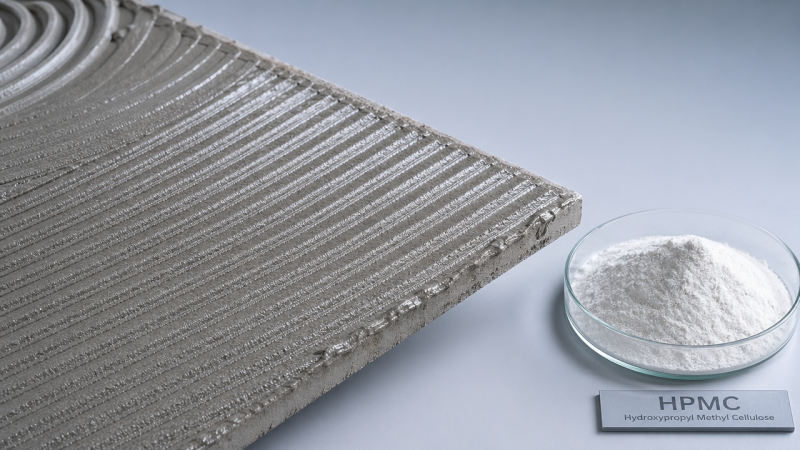
Achieving the perfect balance in construction formulations requires precision, especially when extending open time for superior bonding. As a global leader, Jinan Ludong Chemical specializes in providing high-performance HYDROXYPROPYL METHYL CELLULOSE for tile adhesive, ensuring enhanced water retention and workability. By leveraging a versatile HYDROXYPROPYL METHYL CELLULOSE viscosity range—spanning from 400 to 200,000 CPS—technical evaluators and quality control managers can optimize set times effectively. Whether your projects involve high-demand industrial builds or require specialized food grade HYDROXYPROPYL METHYL CELLULOSE, our integrated solutions deliver the high purity and reliability necessary to meet the most stringent global safety and performance standards.
Understanding the Technical Mechanism of Open Time Extension
In the realm of modern construction chemicals, "open time" refers to the maximum interval during which a tile can be embedded into the applied adhesive while still achieving the required tensile bond strength. Hydroxypropyl Methylcellulose (HPMC) serves as the critical functional additive that regulates this window. By forming a colloidal network within the wet mortar, HPMC significantly inhibits the rapid evaporation of water and its premature absorption into porous substrates. For technical evaluators, this means the adhesive maintains a "wet" surface longer, preventing the formation of a non-adhesive skin that often leads to installation failure.
The film-forming properties of HPMC are essential for maintaining the hydration process of the cement. When the water retention rate of an HPMC-enhanced adhesive exceeds 90%, it ensures that the moisture remains available for the cementitious crystals to grow and interlock with both the tile and the substrate. This microscopic interaction is what provides the long-term durability of the bond. For quality control managers, monitoring the film strength and the rate of hydration is paramount to ensuring that the adhesive meets international standards like EN 12004, which often mandates an open time of at least 20–30 minutes for standard applications.
Furthermore, the molecular structure of HPMC allows it to provide excellent slip resistance alongside extended open time. As the HPMC molecules distribute throughout the mortar, they provide a lubricating effect that improves workability, allowing the applicator to adjust the tiles with greater ease. However, this lubrication does not compromise the vertical hold of the tile. This dual-action performance is why Jinan Ludong Chemical emphasizes controlled viscosity ranges. Whether working in temperatures of 10℃ or high-heat environments reaching 35℃, the stability of the HPMC film remains the primary safeguard against "skinning" and bond degradation.
Lastly, the purity of the cellulose ether is a determining factor in its performance consistency. Low-purity alternatives may exhibit fluctuating water retention capabilities, which can lead to unpredictable setting times on the job site. By utilizing advanced manufacturing processes, Jinan Ludong Chemical ensures that its HPMC series products maintain high purity levels, reducing the risk of chemical interference with other additives. This reliability is crucial for business evaluators who must balance cost-efficiency with the risk of costly rework due to adhesive failure in large-scale infrastructure projects.
Optimizing HPMC Selection Based on Viscosity and Application
Selecting the appropriate grade of HPMC requires a deep understanding of the relationship between viscosity and water retention. Generally, as the viscosity of the cellulose ether increases, the water retention capacity also improves. However, there is a threshold—typically around 100,000 to 150,000 CPS—where the gains in water retention begin to plateau while the workability of the mortar may decrease. For high-demand tile adhesives, mid-to-high viscosity HPMC is usually preferred to ensure that the adhesive stays moist even under windy or high-temperature conditions common in outdoor construction sites.
The following table provides a comparison of how different viscosity ranges impact the primary performance metrics of tile adhesive. Technical managers can use this data to determine the most suitable grade for their specific formulation requirements, balancing open time with ease of application and cost-effectiveness.
As illustrated, the selection of HPMC is not a "one size fits all" process. A common mistake for business evaluators is to focus solely on the highest viscosity grades, assuming they provide better value. In reality, excessively high viscosity can make the mortar sticky and difficult to spread, which actually reduces the productivity of the laborers on site. The goal is to find the "sweet spot" where the dosage—typically ranging between 0.2% and 0.5% by total weight of the dry mix—achieves the target open time without compromising the wet-tack or final strength of the adhesive.
In addition to viscosity, the degree of substitution (DS) and molar substitution (MS) within the HPMC molecule also play vital roles. These chemical parameters influence the thermal gel temperature of the HPMC. Jinan Ludong Chemical offers both type 75 and type 60 HPMC series, allowing formulators to choose the specific chemical grade that matches their local climate conditions. Type 75, for instance, typically offers a higher gel temperature, making it more resilient in hot climates where maintaining open time is most challenging. This level of technical specificity is what distinguishes professional-grade cellulose ethers from generic alternatives.
Synergistic Effects of HPMC and Other Mortar Additives
While HPMC is the primary driver for open time and water retention, it rarely works alone in high-performance tile adhesives. For modern construction projects, a synergistic approach involving multiple additives is necessary to achieve C2 grade performance (improved adhesive strength) or S1/S2 grade (deformability). Common partners for HPMC include Redispersible Polymer Powder (RDP) and Hydroxypropyl Starch Ether (HPS). These components work in tandem to improve the flexibility and sag resistance of the mortar, ensuring that the tiles do not shift after placement.
In specialized formulations where even greater cohesion or specific rheological properties are required, the addition of Polyvinyl Alcohol can be highly effective. This additive enhances the binding power of the adhesive and works with HPMC to provide a smoother consistency. When combined, these materials form a more robust polymer matrix that can withstand the stresses of thermal expansion and contraction, which is critical for outdoor tiling. Technical evaluators often look for this synergy when designing adhesives for large-format porcelain tiles or natural stone.
The interaction between HPMC and RDP is particularly noteworthy for quality control managers. While HPMC provides the initial water retention to ensure proper hydration, RDP provides the late-stage strength and flexibility. If the HPMC fails to maintain enough moisture during the first 24–48 hours, the RDP cannot form a continuous polymer film, leading to a brittle adhesive layer. This is why the compatibility of these ingredients must be rigorously tested. Using integrated solutions from a single manufacturer like Jinan Ludong Chemical can mitigate these compatibility risks, as the products are designed to work together within a unified system.
Moreover, the inclusion of Polyvinyl Alcohol in small percentages can significantly improve the "initial grab" of the adhesive. This is especially beneficial for vertical applications where heavy tiles might otherwise slip. For business evaluators, understanding these additive synergies allows for the optimization of formulations to meet specific project budgets without sacrificing the long-term safety and performance of the building envelope. A well-balanced formulation not only saves material costs but also reduces the labor time required for tile adjustment and cleaning.
Guidelines for Technical Evaluation and Quality Assurance
For quality control and safety managers, the evaluation of HPMC for tile adhesive applications should go beyond simple viscosity checks. A comprehensive procurement guide involves assessing several key parameters that directly impact the field performance of the mortar. These parameters include ash content, moisture content, and chemical purity. High ash content, for example, is often an indicator of residual salts and impurities that can cause efflorescence on the tile surface or interfere with the cement's setting time. At Jinan Ludong Chemical, our automated production lines ensure that these variables are kept within strict tolerances.
The following checklist outlines the critical factors that technical teams should evaluate when vetting HPMC suppliers. This structured approach helps ensure that the raw materials selected will provide consistent results across different batches and environmental conditions.
- Viscosity Stability: Ensure that the product maintains its specified viscosity within a range of ±10%. Fluctuations beyond this can lead to inconsistent water retention and open time on site.
- Water Retention Rate: Test the HPMC in a standard mortar mix to verify it achieves the required water retention (ideally >90%) to prevent rapid drying and skinning.
- Ash Content and Purity: Low ash content (<5%) is essential for high-performance adhesives to avoid chemical reactions that could weaken the final bond.
- Thermal Gel Temperature: For projects in tropical or high-heat regions, verify that the gel temperature is high enough to remain effective under peak operating temperatures.
- Particle Size Distribution: Consistent particle size ensures rapid and uniform dissolution in the dry mix, preventing "fish eyes" or undissolved lumps in the wet mortar.
From a procurement perspective, the ability of a manufacturer to provide large-scale, consistent supply is just as important as the technical specs. With an annual production capacity of 45,000 tons, Jinan Ludong Chemical offers the industrial scale necessary to support global construction projects. For business evaluators, this means reduced lead times and more stable pricing, which are critical for maintaining project timelines. Furthermore, our integrated service model includes technical support to help clients fine-tune their formulations based on local raw materials like sand quality and cement type.
Safety and compliance are also top priorities for QC managers. Our products are manufactured under strict safety standards, ensuring they are suitable for both standard construction grades and specialized applications. By maintaining a fusion of traditional processes and intelligent automated production, we can provide traceability for every batch. This level of transparency is essential for meeting international building codes and ensuring that the final adhesive product is safe for both installers and building occupants over its entire lifecycle.
Troubleshooting Common Issues with Tile Adhesive Open Time
Even with high-quality HPMC, challenges can arise during application if external factors are not properly managed. One common issue is "short open time" despite using the correct dosage of cellulose ether. This is often caused by extremely high substrate porosity or high ambient wind speeds, which accelerate surface drying regardless of the internal water retention. In such cases, technical teams should consider pre-wetting the substrate or slightly increasing the HPMC dosage to compensate for the extreme environmental suction.
Another frequent problem is the "loss of bond" after the tile has been adjusted. If a tile is moved after the initial skin has started to form, the bond may never fully recover. This highlights the importance of the open time window. If the installers are working in large areas, they may apply more adhesive than they can tile within 15–20 minutes. Educating the site crew on the limitations of the adhesive and the environmental factors (such as direct sunlight) is as critical as the chemical formulation itself.
Technical managers should also be aware of the "delayed set" issue, where an excess of HPMC or the wrong grade of RDP can slow down the strength development of the mortar. While a long open time is desirable, the adhesive must still reach a certain compressive strength within 24–48 hours to allow for grouting and foot traffic. Balancing these two competing needs requires a precise blend of additives. If the setting time is too slow, it may indicate that the HPMC viscosity is too high for the cement type being used, or that the ambient temperature is too low for the specific grade selected.
Frequently Asked Questions (FAQ)
How does HPMC viscosity affect the final bond strength?
While viscosity primarily influences water retention and workability, it indirectly affects bond strength by ensuring the cement hydrates properly. If the viscosity is too low, the water will leave the mortar too quickly, resulting in poor hydration and a weak bond. However, excessively high viscosity can make the mortar too thick to properly "wet" the back of the tile, which can also reduce the effective contact area and bond strength. For most applications, a viscosity between 70,000 and 150,000 CPS provides the best balance for both hydration and wetting.
What is the typical shelf life of HPMC, and how should it be stored?
HPMC is a hygroscopic material, meaning it readily absorbs moisture from the air. In standard industrial conditions, HPMC typically has a shelf life of 12–24 months if kept in its original, unopened packaging. To maintain its performance, it should be stored in a cool, dry warehouse away from direct sunlight and moisture. Once a bag is opened, it should be resealed tightly to prevent clumping. For quality control, it is recommended to test the moisture content of the HPMC if it has been stored for more than 6 months, ensuring it remains below the 5% threshold.
Can HPMC be used in both thin-set and thick-bed mortars?
Yes, HPMC is versatile enough for both applications, but the dosage and viscosity requirements differ. Thin-set mortars, which are applied in layers of 3–6 mm, require high water retention because the thin layer is more prone to drying out. Therefore, a higher viscosity and dosage are typically used. In contrast, thick-bed mortars (up to 15–20 mm) have a larger volume of water and may require a lower viscosity HPMC to ensure the mortar remains manageable and does not become too "elastic" or difficult to level over large areas.
Why Partner with Jinan Ludong Chemical for Your Construction Needs?
Choosing the right chemical supplier is a strategic decision for any large-scale construction or manufacturing enterprise. Jinan Ludong Chemical Co., Ltd. stands out not only for its impressive 45,000-ton annual capacity but for its commitment to integrated service and technical excellence. Since our establishment in 2020, we have focused on bridging the gap between traditional production reliability and the modern need for intelligent, automated manufacturing. This ensures that every bag of HPMC, RDP, or HPS you receive meets the same high-purity standards, regardless of the order size.
Our global reach and comprehensive solutions make us an ideal partner for technical and business evaluators looking for a "one-stop" shop for cellulose ethers. We understand the pain points of procurement—from fluctuating raw material costs to the need for specific certifications. By managing the entire production chain and offering viscosities from 400 to 200,000 CPS, we provide the flexibility to customize products for your unique market requirements. Whether you are developing a budget-friendly indoor adhesive or a premium external cladding system, we have the technical expertise to support your formulation development.
We invite you to reach out to our technical team for a detailed consultation. We can provide sample support for your laboratory testing, assist with product selection based on your specific application scenarios, and offer detailed quotations for bulk shipments. Our goal is to ensure your projects achieve the longest open times and the strongest bonds possible through the application of world-class cellulose chemistry. Contact Jinan Ludong Chemical today to discuss your next project and discover how our high-performance HPMC can elevate your product standards.
Send Your Inquiry
We welcome your cooperation and we will develop with you.
