


Methyl Hydroxyethyl Cellulose in Skim Coat: Practical Benefits
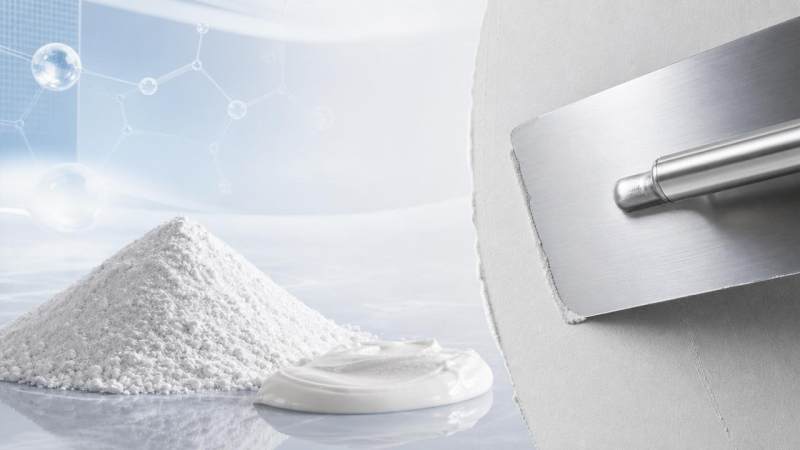
For users and applicators seeking smoother workability and more reliable wall finishes, Methyl Hydroxyethyl Cellulose (MHEC) plays a key role in skim coat performance. It helps improve water retention, application ease, and adhesion, making daily operation more efficient and consistent. Understanding how MHEC works in skim coat can help professionals achieve better surface quality while reducing common jobsite issues.
When applicators search for information about Methyl Hydroxyethyl Cellulose (MHEC) in skim coat, they usually want a practical answer: will it make mixing easier, spreading smoother, and finished walls more stable? In most cases, the answer is yes.
For jobsite users, the value of MHEC is not theoretical. It shows up in better open time, reduced dragging, more even water control, and fewer surface defects during application. These direct benefits matter far more than chemical definitions.
This article focuses on what operators and applicators really need to know: how MHEC improves skim coat performance, what problems it helps solve, how to judge whether a formula is working properly, and what to look for during use.
Why MHEC matters so much in skim coat application
Skim coat is expected to spread thinly, level well, and create a smooth surface ready for paint or decoration. To achieve that result, the material must balance water retention, workability, adhesion, and anti-sag performance at the same time.
Methyl Hydroxyethyl Cellulose (MHEC) is one of the additives that helps create that balance. In practical use, it works as a thickening and water-retaining agent, while also improving handling feel during mixing, troweling, smoothing, and final finishing.
Without proper cellulose ether support, skim coat can lose water too fast, become difficult to spread, drag under the trowel, or develop uneven curing. These issues reduce efficiency for workers and often lead to rework, wasted material, or surface complaints.
That is why applicators often notice the difference immediately. A well-designed skim coat containing suitable MHEC usually feels creamier, stays workable longer, and gives more predictable finishing results across different sections of the wall.
What applicators care about most: smoother spreading and easier operation
On site, ease of use is one of the first things workers judge. If skim coat feels too stiff, too loose, or inconsistent from batch to batch, application speed drops and achieving a flat, uniform surface becomes more difficult.
MHEC improves the rheology of skim coat, which means it helps the material flow in a controlled way under the trowel. The mix can feel smoother during spreading, while still holding enough body to avoid slumping or excessive sagging.
This balance is important for vertical wall work. Applicators want material that glides during application but does not slide off after placement. Proper MHEC selection helps support both of these needs, especially in hand-applied interior and exterior wall systems.
Better workability also reduces fatigue. When a skim coat opens more smoothly and responds better to trowel pressure, workers can maintain speed and consistency for longer periods. Over a full day, that improvement can make a meaningful operational difference.
Water retention: the benefit that affects almost every stage
One of the most important practical benefits of Methyl Hydroxyethyl Cellulose (MHEC) in skim coat is water retention. This means the mix holds water more effectively instead of losing it too quickly into the substrate or the surrounding environment.
Good water retention supports proper hydration of cement-based or gypsum-based ingredients, depending on the skim coat system. It also gives workers more time to spread, compress, and refine the surface before the material becomes too dry to handle.
Fast water loss often creates familiar jobsite problems. These include poor spreadability, short open time, patchy finishing, weak bonding, cracking risk, powdering, and uneven color appearance after drying. MHEC helps reduce these risks when properly formulated.
This is especially useful on absorbent substrates, in warm weather, or in windy environments where moisture can disappear quickly. In those conditions, the difference between a standard mix and a well-optimized MHEC-containing skim coat can be very noticeable.
How MHEC helps improve adhesion and surface quality
Applicators do not just want material that feels nice during spreading. They also need confidence that the skim coat will bond properly and leave a stable, attractive surface after curing. MHEC contributes to both process performance and final quality.
By controlling water release and helping create a more uniform paste structure, MHEC supports better contact between skim coat and substrate. This can improve adhesion, especially when the base surface has variable porosity or requires more controlled moisture management.
It also helps create a more even finish. When the material remains workable for a suitable period, workers can refine edges, smooth overlaps, and reduce visible trowel marks more effectively. That leads to better wall appearance and easier downstream painting.
In many formulations, overall surface performance can also be enhanced through synergy with other materials. For example, some producers may also work with additives such as Polyvinyl Alcohol in selected construction applications, depending on formulation goals.
Common skim coat problems MHEC can help reduce
For users and operators, additive value is easiest to understand through problem-solving. A suitable MHEC grade can help reduce several common skim coat issues that affect application speed, finish quality, and customer satisfaction.
The first is poor workability. If the material feels rough, drags under the blade, or does not spread evenly, surface leveling becomes harder. MHEC can improve slip and consistency, helping the material behave more predictably during manual application.
The second is rapid drying on the wall. This can shorten open time and make polishing or second-pass finishing difficult. Better water retention allows more usable working time, which is particularly helpful on large-area walls or in hot climates.
The third is sagging or weak body. If a skim coat becomes too loose after mixing, workers may struggle to build a clean surface. Proper viscosity development from MHEC helps the material stay in place while remaining workable.
The fourth is cracking or powdering linked to poor moisture control and incomplete system performance. While many factors affect these defects, MHEC can contribute to a more stable application environment and better drying behavior when used correctly.
How to judge whether the skim coat formula is performing well on site
Applicators do not need a laboratory to evaluate practical performance. Several simple observations can show whether a skim coat with MHEC is functioning as expected during real jobsite use.
Start with mixing. A good product should wet out smoothly, disperse well, and form a consistent paste without excessive lumping. If the material mixes unevenly or requires unusual effort, formula balance may need improvement.
Then look at trowel feel. The skim coat should spread with controlled resistance, not too heavy and not too watery. It should form a continuous layer without obvious tearing, dry dragging, or rapid edge breakdown.
Observe open time next. After application, the surface should remain workable long enough for smoothing and correction. If it skins too quickly or loses plasticity within a short period, water retention may be insufficient for the site conditions.
Finally, check the dried result. A well-performing skim coat should show good surface uniformity, acceptable hardness, stable bonding, and low incidence of visible defects. Application comfort and final quality should both support each other.
Choosing the right MHEC for different skim coat needs
Not all skim coat formulations require the same cellulose ether characteristics. The right MHEC choice depends on system type, required viscosity, climate, substrate absorption, desired open time, and whether the product is for hand or machine application.
For some applications, higher water retention may be the priority. In others, smoother flow and better anti-sag balance may matter more. This is why product selection should be tied to actual use conditions rather than generic assumptions.
Viscosity range also matters. A higher-viscosity grade may improve body and anti-sag behavior, but if overdone, it can make spreading too heavy. A lower-viscosity grade may improve flow but may not provide enough structural support.
Reliable suppliers usually help customers match grade selection to performance targets. For a manufacturer with broad cellulose ether experience, production control and consistency are especially important, because applicators value stable behavior from one batch to the next.
Why consistency from the supplier matters for operators
For applicators, inconsistency is expensive. If one batch spreads smoothly and the next behaves differently, workers lose time adjusting water addition, technique, and expectations. Even small formulation changes can affect overall wall finishing results.
This is one reason why manufacturing capability matters. Jinan Ludong Chemical Co., Ltd. focuses on cellulose ether production, trading, and integrated services, supporting construction applications with products such as HPMC, RDP, and HPS across global markets.
Its large-scale production capacity, modern production lines, and controllable viscosity range help support stable supply for construction-grade material needs. For users, that matters because stable raw materials contribute directly to repeatable skim coat performance in the field.
In broader formulation systems, compatibility with other functional materials can also influence results. Depending on the design objective, products like Polyvinyl Alcohol may be considered within related application frameworks.
Best practices for applicators using skim coat with MHEC
Even with a well-designed product, application method still matters. Operators should follow recommended water ratios carefully. Adding too much water may weaken body and increase sagging, while too little water can reduce spreadability and finishing ease.
Mixing time should be consistent. Allow the material to disperse fully and develop the intended working texture before application. Incomplete mixing can make even a good formula appear unstable or difficult to handle.
Substrate condition should also be checked. Very dry or highly absorbent walls may pull moisture too quickly from the skim coat. Surface preparation and, where appropriate, pre-treatment can help the MHEC-supported performance show more effectively.
Environmental conditions matter as well. High temperature, direct airflow, and strong sun exposure can shorten practical working time. In those situations, operators should mix manageable batch sizes and work section by section for better finish control.
Final thoughts: practical value, not just formulation theory
For users and applicators, the real value of Methyl Hydroxyethyl Cellulose (MHEC) in skim coat is straightforward. It helps the material mix better, spread more smoothly, retain water longer, and produce more reliable wall finishes with fewer application problems.
Its benefits are most visible in daily work: easier troweling, improved open time, better adhesion support, reduced sagging, and more uniform surface results. These are practical advantages that save labor, improve consistency, and reduce avoidable rework.
When selecting skim coat materials or reviewing formulation quality, operators should focus on performance they can actually feel and observe on site. If the mix applies smoothly and cures into a stable, even finish, the additive system is doing its job well.
In short, MHEC is not just a background ingredient. In skim coat applications, it is a key performance component that directly affects workability, efficiency, and finish quality. For professionals aiming at dependable results, understanding its role is well worth the effort.
Send Your Inquiry
We welcome your cooperation and we will develop with you.
