


Polyvinyl Alcohol Storage Tips to Avoid Moisture Problems
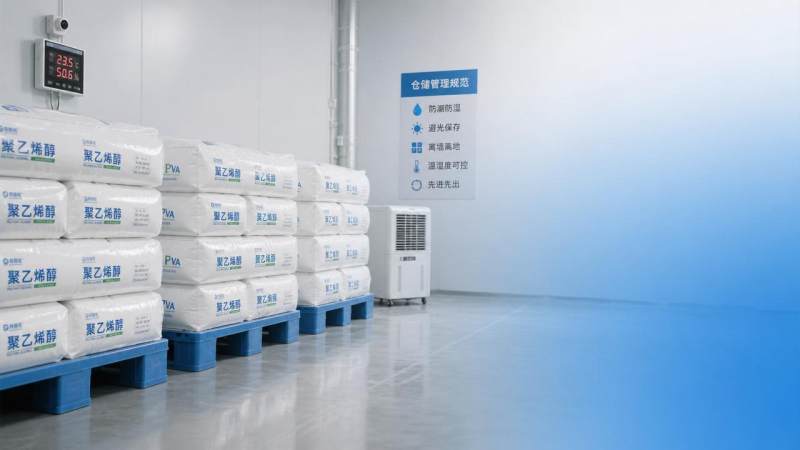
Polyvinyl Alcohol Storage Tips to Avoid Moisture Problems
Proper storage is essential to maintain Polyvinyl Alcohol quality and prevent moisture-related performance issues during use.
In chemical applications, excess humidity can cause caking, clumping, poor dissolution, and unstable processing behavior.
A clear storage routine helps reduce waste, improve handling efficiency, and protect batch-to-batch consistency.
This article explains practical Polyvinyl Alcohol storage tips, with a simple checklist for daily warehouse control and safer material use.
Why Polyvinyl Alcohol Needs Structured Storage Control
Polyvinyl Alcohol is sensitive to surrounding moisture, especially after bags are opened or stored in unstable environments.
Even when the product looks dry, moisture pickup can change flowability, packaging condition, and final application performance.
A checklist-based approach prevents small storage mistakes from becoming costly quality issues.
It also supports traceability, faster inspections, and more reliable inventory rotation across chemical storage operations.
Core Polyvinyl Alcohol Storage Checklist
- Store Polyvinyl Alcohol in a dry, enclosed warehouse with stable humidity, and avoid areas exposed to rain, condensation, or direct outdoor airflow.
- Keep room temperature moderate and consistent, because repeated temperature swings can encourage condensation inside packaging and around pallet surfaces.
- Use sealed original packaging whenever possible, and inspect every bag for pinholes, broken seams, or weak closures before stacking.
- Place pallets above the floor on dry supports, leaving enough clearance to avoid moisture migration from concrete and cleaning water.
- Maintain distance from exterior walls, windows, and loading doors, where humidity and temperature changes are usually strongest.
- Apply first-in, first-out rotation to reduce long storage time and lower the chance of gradual moisture absorption.
- After opening, reseal unused Polyvinyl Alcohol immediately with moisture-resistant liners or secondary sealed containers.
- Label opened packages with date, batch number, and remaining quantity to improve usage control and material traceability.
- Inspect storage areas regularly for roof leaks, wall sweating, pallet damage, and signs of clumping or hardened product.
- Separate Polyvinyl Alcohol from volatile chemicals, strong odors, and water-based materials that may affect packaging integrity or storage conditions.
Recommended Storage Condition Reference
Storage Tips for Different Operating Situations
Long-Term Warehouse Storage
For longer storage periods, Polyvinyl Alcohol should stay in unopened original packaging whenever possible.
Humidity records, roof inspection, and pallet condition checks should be part of a fixed monthly routine.
Opened Bags in Daily Production
Opened Polyvinyl Alcohol bags face the highest moisture risk because ambient air reaches the material directly.
Transfer leftovers into sealed containers quickly, and avoid leaving partially used bags near mixing or washing stations.
Coastal or Rainy Climate Conditions
In high-humidity regions, dehumidifiers and enclosed storage zones are often necessary rather than optional.
Door opening frequency should also be controlled, especially during wet weather or morning condensation periods.
Transport and Temporary Holding Areas
Moisture problems often start during transport, not only inside the warehouse.
Use covered vehicles, dry loading platforms, and prompt unloading to protect Polyvinyl Alcohol from rain and temperature shock.
In broader dry-mix material systems, related additives such as Methyl Hydroxyethyl Cellulose (HEMC) also benefit from similar moisture-control discipline.
Commonly Overlooked Moisture Risks
Ignoring Condensation Instead of Liquid Water
Many storage problems come from invisible condensation rather than obvious leaks.
Cold packaging moved into warm, humid air can attract surface moisture very quickly.
Stacking Too Close to Walls
Exterior walls often hold temperature differences that create damp microenvironments.
Even sealed Polyvinyl Alcohol may face greater moisture stress when airflow is poor and surfaces are cooler.
Using Damaged Secondary Wrapping
Outer stretch film and pallet covers are often treated as minor packaging, but they help reduce direct humidity exposure.
Once damaged, the risk of uneven bag condition across the pallet increases significantly.
Poor Housekeeping Around Storage Areas
Wet floors, steam sources, and frequent washing nearby can raise local humidity around stored Polyvinyl Alcohol.
Cleanliness should not introduce moisture that compromises material stability.
Practical Daily Execution Steps
- Check warehouse humidity and temperature at fixed times each day, and record unusual changes for immediate follow-up.
- Inspect incoming Polyvinyl Alcohol packaging before acceptance, with special attention to seams, punctures, and wet marks.
- Keep pallets elevated, spaced, and clearly labeled to simplify rotation and reduce hidden moisture exposure points.
- Reseal every opened bag immediately after use, even during short production interruptions or shift changes.
- Review slow-moving stock weekly, because aging inventory has more opportunity to absorb environmental moisture.
These simple actions improve Polyvinyl Alcohol stability without requiring complex equipment in every case.
For facilities handling multiple construction chemicals, consistent storage standards help protect quality across the entire material range.
Jinan Ludong Chemical Co., Ltd., established in 2020, supports global chemical supply with advanced production lines and integrated service capabilities.
Its portfolio includes cellulose ethers and related construction solution materials, where moisture control remains a key part of quality protection.
FAQ About Polyvinyl Alcohol Storage
Can Polyvinyl Alcohol be stored after opening?
Yes, but it should be resealed quickly in moisture-resistant packaging and used as soon as practical.
What are early signs of moisture damage?
Common signs include clumping, hardened particles, reduced flowability, and inconsistent dissolution during processing.
Is air conditioning enough for Polyvinyl Alcohol storage?
Not always. In humid regions, dedicated dehumidification may be needed for reliable Polyvinyl Alcohol moisture control.
Do similar powders require the same approach?
Many do. Materials such as Methyl Hydroxyethyl Cellulose (HEMC) also benefit from dry, stable, sealed storage conditions.
Conclusion and Next Steps
Effective Polyvinyl Alcohol storage depends on moisture prevention, packaging protection, and disciplined daily inspection.
A practical checklist makes these controls easier to apply and easier to maintain over time.
Start by reviewing warehouse humidity, pallet spacing, packaging integrity, and open-bag handling rules.
With consistent execution, Polyvinyl Alcohol can remain stable, easier to process, and more reliable in demanding chemical applications.
Send Your Inquiry
We welcome your cooperation and we will develop with you.
