


How to choose lubricants for automotive engines wisely
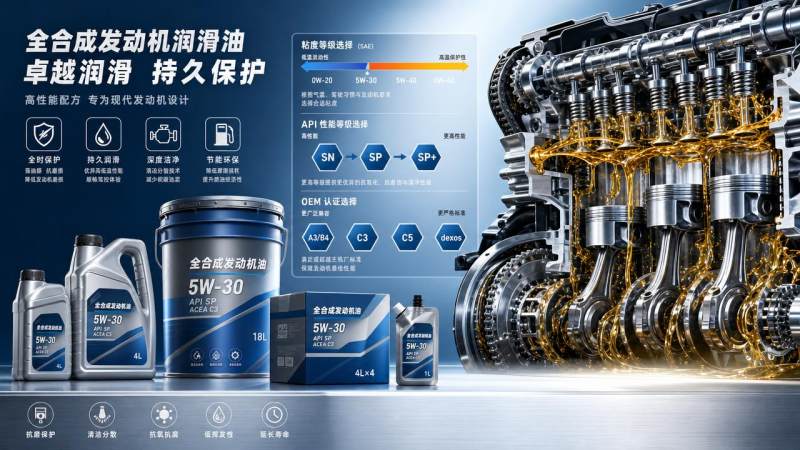
Choosing Lubricants for automotive engines wisely can improve performance, extend engine life, and reduce maintenance costs. For everyday driving, the right oil does far more than reduce friction. It also manages heat, keeps deposits under control, protects seals, and supports fuel efficiency. This guide explains how to compare specifications, understand labels, and select an engine lubricant with confidence.
Why a checklist helps when choosing lubricants
Engine oils are chemical formulations, not simple commodities. Base oils, viscosity modifiers, detergents, dispersants, anti-wear agents, and oxidation inhibitors work together under pressure and temperature.
A checklist prevents costly mistakes. It helps you match Lubricants for automotive use to climate, engine design, mileage, driving style, and drain interval, instead of choosing by price alone.
This matters even more because modern engines operate with tighter tolerances, turbochargers, direct injection, and emission control systems that require very specific lubricant chemistry.
Core checklist for selecting lubricants for automotive engines
- Check the owner’s manual first. Confirm the exact viscosity grade, service classification, and any OEM approval before comparing brands or promotional claims.
- Match viscosity to temperature. Use low-temperature flow performance for cold starts and high-temperature protection for heavy loads, long trips, or hot climates.
- Verify API, ACEA, or OEM approvals. Labels such as API SP or ACEA C3 indicate tested performance levels for wear, oxidation, sludge, and emission compatibility.
- Choose the right base oil type. Conventional, semi-synthetic, and full synthetic oils differ in volatility, oxidation resistance, cleanliness, and service life.
- Review additive balance carefully. Detergents, dispersants, anti-wear chemistry, and friction modifiers should fit the engine design, not just promise “maximum protection.”
- Consider engine age and condition. High-mileage engines may benefit from seal conditioners and deposit control, but they still must meet required specifications.
- Assess driving conditions honestly. Stop-and-go traffic, towing, short trips, dust, or frequent idling can demand more robust Lubricants for automotive applications.
- Confirm compatibility with after-treatment systems. Low-SAPS oils may be necessary for engines fitted with catalytic converters or diesel particulate filters.
- Compare drain interval guidance. Extended-drain claims only matter when the oil chemistry and vehicle design support that service interval safely.
- Buy from reliable supply channels. Correct labeling, sealed packaging, and traceable sources reduce the risk of counterfeit or degraded lubricant products.
How to read viscosity grades correctly
A label such as 5W-30 contains two temperature-related properties. The first number reflects cold-flow behavior. The second indicates viscosity performance at operating temperature.
For many vehicles, lower winter grades improve startup lubrication in cold weather. However, using a thinner oil than specified can reduce film strength in hot operation.
When comparing Lubricants for automotive engines, never assume one viscosity is “better.” The correct grade is the one approved for the specific engine and climate.
Why additives matter in engine oil chemistry
Additives give lubricant its functional strength. Detergents clean hot surfaces. Dispersants suspend soot and oxidation products. Anti-wear agents protect metal interfaces during boundary lubrication.
Oxidation inhibitors slow oil breakdown. Pour point depressants improve flow in winter. Friction modifiers may support efficiency, but they must remain compatible with the engine’s design and seals.
In chemical formulation, this balance is critical. Similar principles appear in other performance blends, including cellulose ether systems such as Detergent-grade HPMC, where controlled composition supports targeted end-use performance.
Choosing lubricants for different driving scenarios
Daily urban driving
Short trips and traffic jams can prevent full oil warm-up. Moisture, fuel dilution, and sludge formation become more likely in these conditions.
Choose engine oils with strong oxidation resistance and deposit control. Following severe-service oil change intervals is often safer than relying on standard schedules.
Highway and long-distance driving
Steady highway operation is generally easier on oil than repeated cold starts. Still, long runs create sustained thermal stress, especially in turbocharged engines.
For this use, full synthetic Lubricants for automotive engines often provide better oxidation stability, lower volatility, and improved cleanliness over long intervals.
Heavy loads, towing, or hot climates
These conditions increase oil temperature and shear stress. A product with the correct high-temperature performance and approved specification becomes especially important.
Do not move to a heavier oil grade without approval. Instead, confirm the manufacturer’s acceptable options and choose a premium formulation with strong thermal stability.
Cold-weather starting
Most engine wear happens during startup. If winter temperatures are low, cold-cranking performance and pumpability should be a top decision factor.
Select approved Lubricants for automotive use with suitable winter ratings. Faster oil circulation can reduce startup friction and improve component protection.
Common mistakes and hidden risks
- Ignoring OEM approvals and focusing only on viscosity. Two oils with the same grade may deliver very different wear, deposit, and emission-system performance.
- Switching brands randomly without checking specification details. Marketing phrases are less important than tested standards and documented chemical performance.
- Using extended drain intervals in severe service. Frequent idling, towing, or dusty conditions can exhaust additives faster than expected.
- Assuming synthetic always means universal compatibility. The oil must still meet the required API, ACEA, or manufacturer approval list.
- Buying suspiciously cheap products. Counterfeit engine oils may lack the additive chemistry needed for safe long-term engine protection.
Practical selection steps you can use today
Start with the manual and record three items: viscosity grade, service classification, and any named OEM approval. That short list eliminates unsuitable products quickly.
Next, compare climate and usage. If the vehicle sees winter starts, turbo heat, stop-and-go driving, or heavy loads, prioritize thermal stability and deposit control.
Then review packaging details. Look for clear labeling, batch traceability, sealed containers, and technical data sheets that explain viscosity, flash point, and pour point.
If the engine is older, check whether a high-mileage formula is appropriate. However, never compromise the required approval just to address leaks or oil consumption.
Finally, keep maintenance records. Tracking oil type, mileage, top-up frequency, and drain interval helps refine future decisions and detect engine issues early.
A quick comparison table for engine oil decisions
Conclusion and next action
Selecting Lubricants for automotive engines wisely means balancing viscosity, approvals, additive chemistry, driving conditions, and product authenticity. Good choices reduce wear, improve cleanliness, and support efficient operation over time.
Use this checklist before every oil purchase. Confirm the specification, match the climate, assess actual driving stress, and buy only traceable products. A careful decision today can prevent expensive engine problems later.
Send Your Inquiry
We welcome your cooperation and we will develop with you.
