


MHEC for Gypsum Plaster: Benefits and Limits
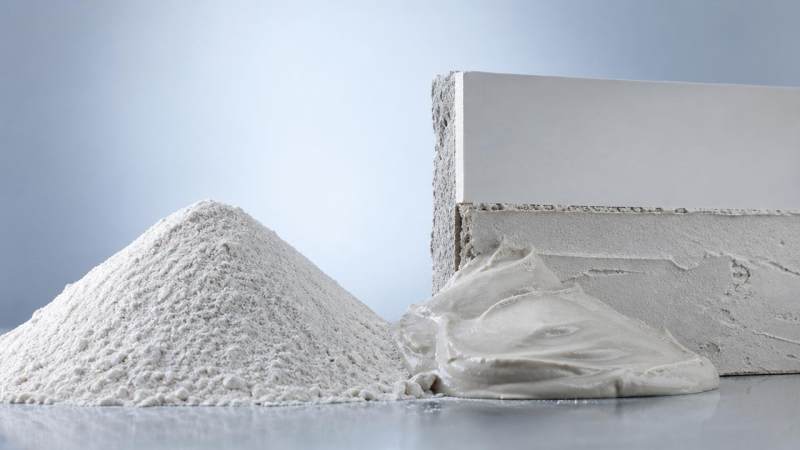
For project managers overseeing gypsum plaster applications, material consistency, workability, and on-site efficiency directly affect schedule control and finish quality. Methyl Hydroxyethyl Cellulose (MHEC) is widely used in gypsum-based formulations to improve water retention, open time, adhesion, and application performance. However, its benefits depend on proper grade selection, dosage, and compatibility with other additives. This article explains the key advantages and practical limits of MHEC in gypsum plaster, helping construction teams make informed formulation and procurement decisions.
Why Methyl Hydroxyethyl Cellulose (MHEC) Matters in Gypsum Plaster
Gypsum plaster looks simple on site, but its performance depends on a controlled balance of water demand, setting behavior, sag resistance, and surface finishing time. Small formulation changes can affect 3 to 5 downstream work steps.
Methyl Hydroxyethyl Cellulose (MHEC) is a non-ionic cellulose ether used as a functional modifier. In gypsum systems, it helps hold mixing water, stabilizes the wet mortar, and supports smoother troweling.
For project teams, the value is not only chemical performance. A suitable MHEC grade can reduce rework, make application more predictable across 2 to 4 hours of site operation, and improve finish uniformity.
Typical Problems MHEC Helps Address
- Fast water loss into porous substrates, especially aerated concrete blocks and dry cementitious backgrounds.
- Poor workability during hand application or spray plastering, causing higher labor intensity.
- Inconsistent open time between morning and afternoon shifts when temperature changes by 5°C–10°C.
- Weak adhesion or powdery surfaces caused by insufficient hydration and premature drying.
Jinan Ludong Chemical Co., Ltd. focuses on cellulose ethers and integrated construction solutions, with large-scale production capacity reaching 45,000 tons annually. This manufacturing background supports stable viscosity control from 400 to 200,000 CPS for construction-grade applications.
Key Benefits for Construction Project Control
The most important benefit of Methyl Hydroxyethyl Cellulose (MHEC) is formulation control. When a plaster batch behaves consistently, project managers can better plan manpower, machine use, material flow, and inspection timing.
In practice, MHEC dosage in gypsum plaster is commonly evaluated within a narrow range, often around 0.1%–0.5% of the dry mix. The final level depends on gypsum quality, fillers, retarders, and site temperature.
Water Retention and Hydration Stability
Gypsum requires enough available water to complete hydration and develop strength. MHEC forms a hydrated polymer network that slows uncontrolled water migration into substrates or the air.
Better water retention is especially useful when plaster thickness is 5 mm–15 mm. It helps reduce dry edges, uneven hardening, and localized surface weakness during finishing.
Open Time and Workability
Project delays often start with minor workability issues. If plaster stiffens too early, workers add extra water, which can lower strength and cause surface defects.
A suitable MHEC grade extends workable time without making the plaster sticky or slow to finish. This is valuable for crews handling 20 to 50 bags per shift under variable site conditions.
The following table summarizes major performance contributions and the practical site value for project managers comparing gypsum plaster formulations.
The table shows why MHEC should be reviewed as a project performance additive, not just a raw material cost. A small dosage change can influence labor rhythm, quality inspection, and repair frequency.
Practical Limits and Formulation Risks
Methyl Hydroxyethyl Cellulose (MHEC) is effective, but it cannot compensate for every formulation weakness. Poor gypsum quality, incorrect retarder dosage, or unsuitable aggregate grading can still cause field problems.
The first limit is overdosing. If MHEC is too high, the plaster may become sticky, difficult to polish, slow to dry, or overly viscous for spray equipment.
Compatibility With Gypsum and Additives
Gypsum plaster normally contains calcium sulfate hemihydrate, fillers, retarders, air-entraining agents, starch ethers, and sometimes polymer binders. MHEC must be tested with the full formula, not alone in water.
In some formulations, additional binders such as Polyvinyl Alcohol may be evaluated for adhesion or film-forming contribution. Such additions should be verified through setting time, bond strength, and surface hardness tests.
Temperature and Site Moisture Effects
At 30°C or above, water evaporation accelerates and open time shortens. At lower temperatures near 5°C–10°C, setting and drying may slow, affecting project turnover.
MHEC helps stabilize these changes, but site teams still need substrate wetting checks, ventilation planning, and batch size control. Chemical adjustment cannot replace basic site discipline.
Common Misuse Patterns
- Selecting viscosity only by price, without checking application thickness or machine requirements.
- Increasing MHEC dosage to correct setting problems caused by retarder imbalance.
- Testing in a laboratory at 20°C but applying on site above 35°C without adjustment.
- Ignoring dry-mix dispersion quality, which may create fisheyes or delayed hydration.
How to Select the Right MHEC Grade
Choosing Methyl Hydroxyethyl Cellulose (MHEC) requires more than asking for high viscosity. The correct grade should match gypsum type, application method, desired open time, and local climate.
A practical selection process usually includes 4 evaluation dimensions: viscosity, water retention, setting influence, and compatibility. Each dimension should be checked through repeatable laboratory and field tests.
Viscosity and Application Method
Hand-applied plaster often needs a stable creamy texture, while machine-applied plaster requires pumpability and low blockage risk. Excessive viscosity may reduce spray output and increase hose pressure.
In dry-mix production, cellulose ether particle size and dispersion behavior are also important. A grade that dissolves too slowly may create inconsistent batch behavior during the first 5–10 minutes.
The table below provides a decision reference for procurement and technical teams. It does not replace testing, but it helps narrow supplier discussions and sample selection.
The main conclusion is clear: MHEC procurement should combine technical testing and supply reliability. A lower unit price may become expensive if it increases site rework or slows crews.
Supplier Capability and Batch Consistency
For project managers, supplier evaluation should include production scale, viscosity control capability, technical response speed, and documentation support. A 7–15 day sample evaluation cycle is often reasonable for new formulas.
Ludong Chemical integrates production, trading, and service for cellulose ether products, including HPMC, RDP, and HPS. Its automated production approach supports consistent supply for construction chemical manufacturers and project-based procurement.
Implementation Steps for Site and Laboratory Testing
Before switching or approving Methyl Hydroxyethyl Cellulose (MHEC), project teams should use a structured test plan. This reduces uncertainty and creates clear evidence for procurement decisions.
A good evaluation normally includes 5 steps: formula review, lab mixing, substrate application, site trial, and final acceptance. Each step should record dosage, temperature, water ratio, and setting time.
Step 1: Define the Target Performance Window
Set practical targets before testing. Typical targets may include workable time of 60–120 minutes, acceptable sag at planned thickness, and smooth finishing without excessive stickiness.
Step 2: Test With Real Raw Materials
Use the actual gypsum, fillers, retarders, and water source planned for production. A formula that performs well with laboratory gypsum may behave differently with local raw materials.
Step 3: Compare at Least 2 Dosage Levels
Testing only one dosage can be misleading. Compare, for example, 0.2% and 0.3% in the dry mix to identify the balance between workability, cost, and finishing behavior.
Step 4: Run a Small Site Trial
A site trial of 100–300 kg dry mix can reveal pumpability, worker feedback, trowel marks, and surface drying patterns. Record results within the same day where possible.
Step 5: Confirm Procurement Conditions
After technical approval, confirm packaging, lead time, storage recommendations, and batch traceability. For long projects, planning 2–4 weeks of safety stock can reduce supply disruption risk.
Procurement Considerations for Project Managers
Procurement teams often compare cellulose ethers by price per kilogram. For gypsum plaster, a better metric is cost per square meter after considering dosage, productivity, waste, and repair rate.
Methyl Hydroxyethyl Cellulose (MHEC) may account for a small proportion of dry-mix weight, but it can strongly affect whether crews meet daily area targets and finish quality standards.
Questions to Ask Before Ordering
- What viscosity range is recommended for hand plaster, spray plaster, or lightweight gypsum plaster?
- Can the supplier provide consistent batch data and technical guidance for dosage optimization?
- How does the product perform at 5°C, 20°C, and 35°C application conditions?
- What is the expected lead time for repeat orders and larger-volume project supply?
- Are complementary additives, including HPMC, RDP, HPS, or Polyvinyl Alcohol, needed for the target performance?
These questions help convert a chemical purchase into a controlled project decision. They also make supplier communication more technical and reduce the risk of choosing only by quoted price.
Storage and Handling Notes
MHEC should be stored in dry, ventilated conditions and protected from moisture. Once bags are opened, resealing is recommended to avoid clumping and inconsistent dispersion during mixing.
For large projects, use first-in, first-out inventory control and inspect packaging before production. A simple weekly stock check can prevent emergency substitutions near critical milestones.
Common Questions About MHEC in Gypsum Plaster
Project managers usually need quick answers before approving a new additive. The following questions address common concerns in construction chemical procurement and site application.
Does Higher Viscosity Always Mean Better Performance?
No. Higher viscosity may improve anti-sag behavior, but it can also reduce pumpability and make finishing more difficult. The suitable grade depends on thickness, equipment, and desired texture.
Can MHEC Replace All Other Additives?
No. Methyl Hydroxyethyl Cellulose (MHEC) mainly supports water retention, consistency, and workability. Retarders, starch ethers, air control agents, and polymers still have different functions in gypsum systems.
How Fast Can a New Grade Be Approved?
For straightforward projects, laboratory screening may take 3–5 days, while field confirmation may require another 7–10 days. Complex formulas or extreme climates need longer verification.
What Should Be Checked After Delivery?
Check packaging integrity, batch number, appearance, storage condition, and the supplier’s basic product data. Before full production, run a small confirmation batch using the approved formula.
Building a Reliable Gypsum Plaster Additive Strategy
Methyl Hydroxyethyl Cellulose (MHEC) brings measurable value to gypsum plaster when it is selected and tested correctly. Its main benefits include stronger water retention, improved workability, longer open time, and better application stability.
Its limits are equally important. MHEC cannot correct all formula defects, and overdosing may create stickiness, delayed drying, or equipment issues. Technical evaluation should always reflect real raw materials and real site conditions.
For construction teams and project managers, the best approach is to work with a supplier that understands cellulose ether chemistry, dry-mix formulation, and site implementation. Ludong Chemical provides manufacturing capacity, product range, and technical service support for construction chemical applications.
If you are optimizing gypsum plaster performance, comparing MHEC grades, or planning bulk procurement for a project, contact Ludong Chemical to discuss your formula requirements, sample testing plan, and customized construction solution.
Send Your Inquiry
We welcome your cooperation and we will develop with you.
