


When should automotive lubricants be changed sooner?
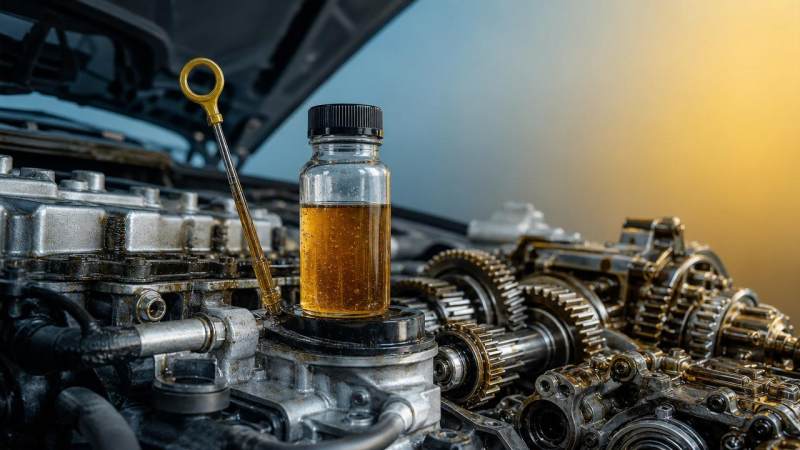
Lubricants for automotive systems do not always fail on a calendar date. Real service life depends on heat, load, contamination, moisture, and operating patterns.
For chemical-focused maintenance planning, understanding lubricant degradation is essential. Early replacement can reduce wear, limit oxidation damage, and support more stable vehicle performance.
This matters in fleets, workshops, and industrial transport environments. Lubricants for automotive applications face changing chemical stress in engines, gearboxes, differentials, and hydraulic systems.
Jinan Ludong Chemical Co., Ltd. understands how material performance influences reliability. Its experience in advanced chemical production reflects the same precision required in lubricant condition control.
Why fixed intervals do not fit every automotive lubrication scene
A standard service schedule assumes average conditions. Many vehicles never operate under average conditions for long enough to rely on that assumption.
Lubricants for automotive systems degrade through oxidation, additive depletion, soot loading, fuel dilution, and particle contamination. Each process changes viscosity, film strength, and corrosion resistance.
Chemical change is often gradual at first. However, once contamination passes a threshold, degradation can accelerate and shorten safe replacement intervals dramatically.
That is why condition-based judgment usually beats a fixed mileage rule. The correct question is not only “when was it changed,” but also “how was it used?”
When short-trip driving means lubricants for automotive systems should be changed sooner
Short trips are one of the most common hidden stress conditions. The engine may not reach stable temperature long enough to evaporate water and fuel contamination.
In this scene, condensation stays in the oil. Fuel dilution lowers viscosity. Acids and sludge form faster, especially during repeated cold starts.
Lubricants for automotive engines used mainly in city traffic often age faster than oils in highway vehicles with higher but steadier mileage.
Warning signs include milky appearance, fuel smell, rough idling, delayed oil pressure response, and thick deposits near the filler cap.
Core judgment points in frequent stop-and-go use
- Repeated cold starts every day
- Trips shorter than full warm-up time
- Visible moisture or sludge formation
- Oil level rising without top-off
Heavy load, towing, and climbing create a high-heat replacement scene
Vehicles that tow, carry heavy loads, or climb long grades generate much more thermal stress. Heat accelerates oxidation and weakens additive performance.
In these conditions, lubricants for automotive transmissions and differentials may degrade before the expected interval, even when engine mileage looks normal.
The chemistry is simple. Higher temperature increases oxidation rate, darkens the fluid, forms varnish, and reduces the lubricant’s ability to protect metal surfaces.
If shifting becomes harsher, gear noise increases, or burnt odor appears, the lubricant may already be outside its ideal operating window.
Typical high-load warning signs
- Burnt smell after towing or long climbs
- Darkened transmission or axle fluid
- Higher operating temperature than normal
- Noticeable vibration or harsher gear engagement
Dust, mud, and wet environments change the maintenance decision
Off-road routes, construction roads, and wet environments expose vehicles to particle and water ingress. This changes the risk profile quickly.
Dust acts as an abrasive contaminant. Water reduces lubricity, promotes corrosion, and can damage bearings, gears, and hydraulic surfaces.
Lubricants for automotive systems working in muddy or dusty areas should be checked sooner, especially if seals, breathers, or housings are compromised.
A cloudy fluid appearance, gritty texture, or rusty coloration usually means contamination has already entered the system.
In broader chemical manufacturing, contamination control is equally critical. Material consistency matters whether handling lubricants or products like Hydroxypropyl Methyl Cellulose.
Extreme hot or cold weather creates different early-change triggers
Temperature extremes do not damage lubricants in the same way. Cold affects flow and startup protection. Heat accelerates chemical breakdown and volatility loss.
Very low temperatures can cause thickening at startup. This delays circulation and increases metal-to-metal contact during the first minutes of operation.
Very high temperatures thin the lubricant film and speed oxidation. Both conditions justify closer monitoring of lubricants for automotive use.
Seasonal climate swings also matter. Repeated thermal cycling can stress seals, increase moisture buildup, and alter pressure behavior in sealed components.
Different automotive lubrication scenes require different replacement logic
Not every operating scene ages fluid at the same rate. The table below shows how demand changes across common maintenance environments.
Practical ways to decide when lubricants for automotive equipment need earlier service
A smarter approach combines mileage, time, visual checks, and operating history. This avoids both premature changes and risky overextended service intervals.
- Track actual duty conditions, not only distance traveled.
- Inspect color, odor, level, and texture regularly.
- Shorten intervals after towing, flooding, or repeated severe weather exposure.
- Use laboratory oil analysis for high-value or high-uptime vehicles.
- Check breathers, seals, and filters to reduce contamination entry.
This decision method aligns well with industrial chemical quality thinking. Stable performance depends on monitoring condition change before visible failure occurs.
Common mistakes that cause delayed lubricant replacement
One common mistake is trusting appearance alone. Some degraded fluids still look acceptable while additives are already depleted.
Another mistake is applying passenger-car intervals to severe-duty vehicles. Lubricants for automotive fleets in harsh environments often need a different service model.
A third mistake is focusing only on engine oil. Transmission fluid, gear oil, and hydraulic lubricants also suffer from heat, shear, and contamination.
Some maintenance plans also ignore storage and supply quality. Chemical consistency matters across all materials, including functional products such as Hydroxypropyl Methyl Cellulose in industrial applications.
What to do next for more reliable lubrication decisions
Review vehicle use patterns over the last three months. Identify severe-duty scenes such as short trips, towing, dust exposure, or extreme temperatures.
Then compare current lubricant condition with the actual scene, not only the manual interval. This creates a more accurate service plan.
Lubricants for automotive systems should be changed sooner whenever contamination, thermal stress, or abnormal operating symptoms indicate reduced protection.
A scene-based maintenance approach lowers wear risk, improves reliability, and supports better lifecycle cost control across demanding automotive environments.
Send Your Inquiry
We welcome your cooperation and we will develop with you.
