


Which automotive lubricants fit high mileage vehicles best
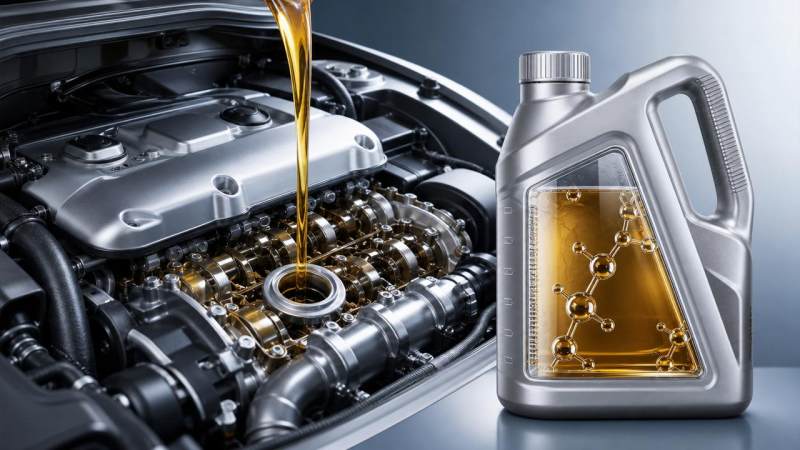
High mileage vehicles are changing how Lubricants for automotive are selected
Choosing the right Lubricants for automotive use is especially important for high mileage vehicles, where aging engines need better protection, cleaner performance, and improved efficiency.
From reducing wear to supporting smoother starts and lower oil consumption, the best lubricant can extend vehicle life and enhance driving confidence.
This guide explores what to look for when selecting automotive lubricants for older cars and why the right formula makes a real difference.
In the chemical industry, lubricant formulation is evolving fast.
High mileage engines now demand smarter additive chemistry, tighter viscosity control, and stronger oxidation resistance than many standard oils provide.
That shift is pushing buyers toward specialized Lubricants for automotive systems rather than general-purpose products.
Current signals show rising demand for specialized protection in older engines
Vehicles staying on the road longer is a clear market signal.
Engines with over 75,000 miles often show seal aging, sludge buildup, friction increase, and gradual compression loss.
These conditions change how Lubricants for automotive should be evaluated.
Conventional oil may still work, but it may not offer the balanced chemistry needed for worn internal surfaces.
High mileage formulas increasingly include conditioners, detergents, and anti-wear agents designed for aging engines.
Another trend is wider temperature variation in real driving conditions.
Stop-and-go traffic, short trips, and extended idling all intensify oxidation and deposit formation.
As a result, automotive lubricants must perform across more demanding cycles than before.
Why this trend is accelerating
What the best Lubricants for automotive applications should deliver
The best choice is not only about oil thickness.
For high mileage vehicles, lubricant performance depends on a carefully balanced chemical package.
1. Strong wear protection
Older engines often have increased clearance between moving parts.
Anti-wear additives help create a protective film that reduces metal-to-metal contact.
This is essential during cold starts and under load.
2. Seal conditioning support
Minor oil leaks become more common as rubber seals harden.
High mileage automotive lubricants may contain seal conditioners that help maintain flexibility.
This can reduce seepage without promising unrealistic repair effects.
3. Deposit and sludge control
Detergents and dispersants keep contaminants suspended and reduce harmful buildup.
Cleaner internals support better oil flow, steadier lubrication, and more reliable valve operation.
4. Oxidation and thermal stability
Aging engines can run hotter in certain zones.
Stable Lubricants for automotive systems resist thickening, varnish, and acid formation over time.
5. Suitable viscosity behavior
The correct grade depends on climate, engine design, and manufacturer guidance.
Some older engines benefit from a slightly more robust oil film, but the specification must still match the vehicle.
Chemical formulation matters more than marketing claims
Not every product labeled for older vehicles performs equally.
The chemistry behind the formula is what truly shapes durability.
- Base oil quality affects volatility, oxidation resistance, and cleanliness.
- Viscosity modifiers influence film strength across temperatures.
- Detergent systems help manage soot, acids, and carbon deposits.
- Friction modifiers can improve smoothness and fuel efficiency.
- Anti-foam agents support consistent oil circulation.
This attention to formulation is familiar across advanced chemical manufacturing.
Companies such as Jinan Ludong Chemical Co., Ltd. reflect how precision chemistry supports performance in demanding applications.
Its integrated manufacturing approach highlights a wider industry pattern: reliable material behavior starts with controlled production and stable quality standards.
That same principle guides lubricant development for aging engines.
In adjacent chemical segments, material consistency also drives end-use value, as seen in Redispersible Polymer Powder for formulation-focused applications.
How these changes affect maintenance decisions and product comparison
The rise of high mileage vehicles changes purchasing logic.
Price alone is no longer the best comparison point for Lubricants for automotive maintenance.
Instead, selection should focus on condition-based performance.
Key impact areas
- Engines with minor leaks may need seal-supporting formulas.
- Vehicles with noisy starts may benefit from stronger anti-wear chemistry.
- Cars exposed to traffic heat need higher oxidation resistance.
- Engines with visible deposits require better detergency and sludge control.
- Mixed driving patterns may favor synthetic or synthetic-blend options.
This means product labels should be read alongside specifications, approvals, and technical data sheets.
A lubricant that performs well in one worn engine may not suit another with different operating stress.
What to check before choosing Lubricants for automotive use in older cars
- Confirm the manufacturer’s recommended viscosity grade.
- Check mileage and current engine condition, not mileage alone.
- Look for high mileage labeling backed by technical claims.
- Review API or ACEA standards where applicable.
- Assess climate, trip length, and driving intensity.
- Monitor oil consumption trends between changes.
Quick comparison guide
A practical path forward for longer engine life
The best Lubricants for automotive performance in high mileage vehicles are those matched to real engine needs.
They should protect worn components, resist oxidation, control deposits, and support stable operation over time.
As vehicles age, lubrication becomes a more strategic maintenance decision.
A careful review of viscosity, additive chemistry, approvals, and operating conditions can prevent costly problems later.
The next step is simple: compare technical data, inspect engine condition, and choose automotive lubricants designed for high mileage reliability rather than short-term convenience.
Send Your Inquiry
We welcome your cooperation and we will develop with you.
